


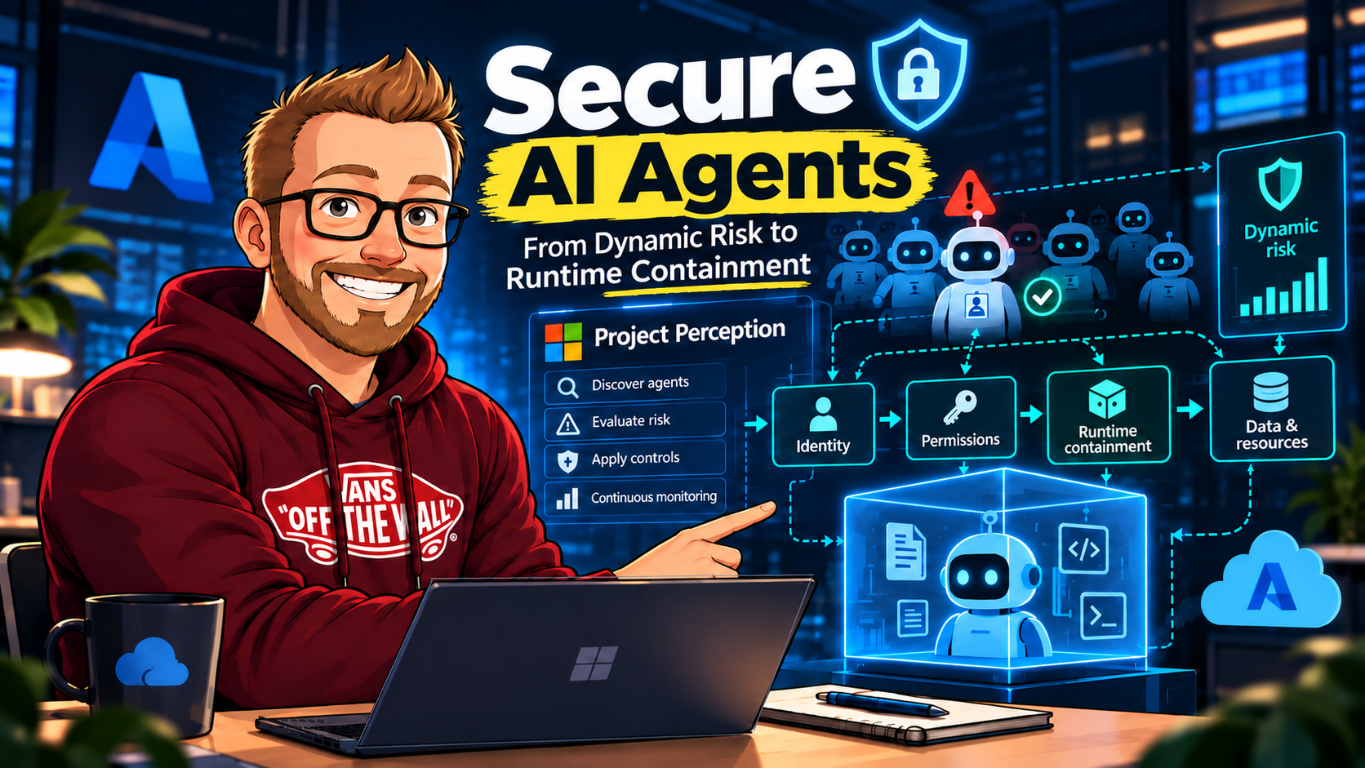
Secure AI Agents: Connecting Dynamic Risk to Runtime Containment
Connect Project Perception risk decisions to runtime, tool and data controls, with practical approval, revocation and evidence tests for secure AI agents.
Connect Project Perception risk decisions to runtime, tool and data controls, with practical approval, revocation and evidence tests for secure AI agents.
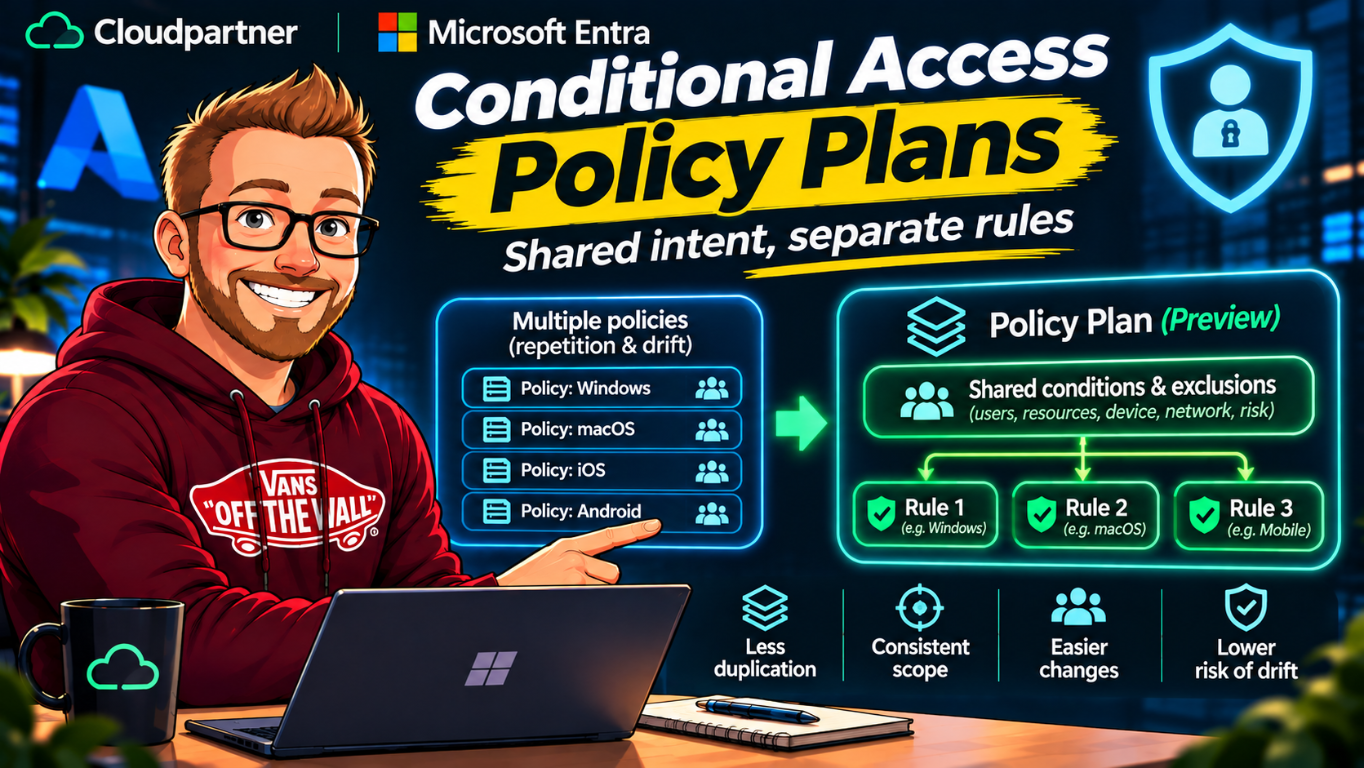
A practical look at Microsoft Entra Conditional Access policy plans: shared conditions, emergency access exclusions, rule inheritance, agent targeting, preview limits, and migration.
Project Perception's agentic-insider controls, Application Card limits, security playbooks and a practical pilot connecting risk signals to verified enforcement.
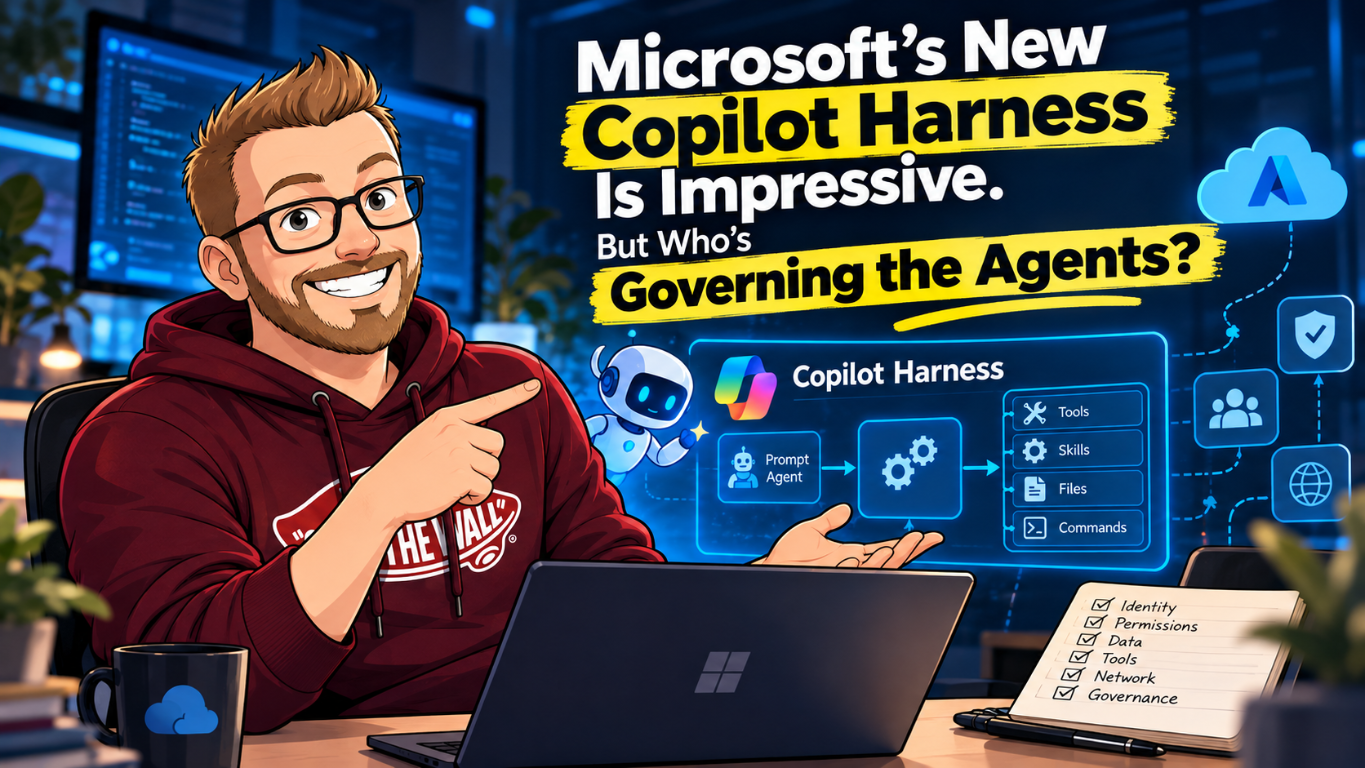
The Microsoft Copilot harness brings managed agent execution to Foundry. Identity, tool authorization, skills, egress and evidence still need owners and tested controls.
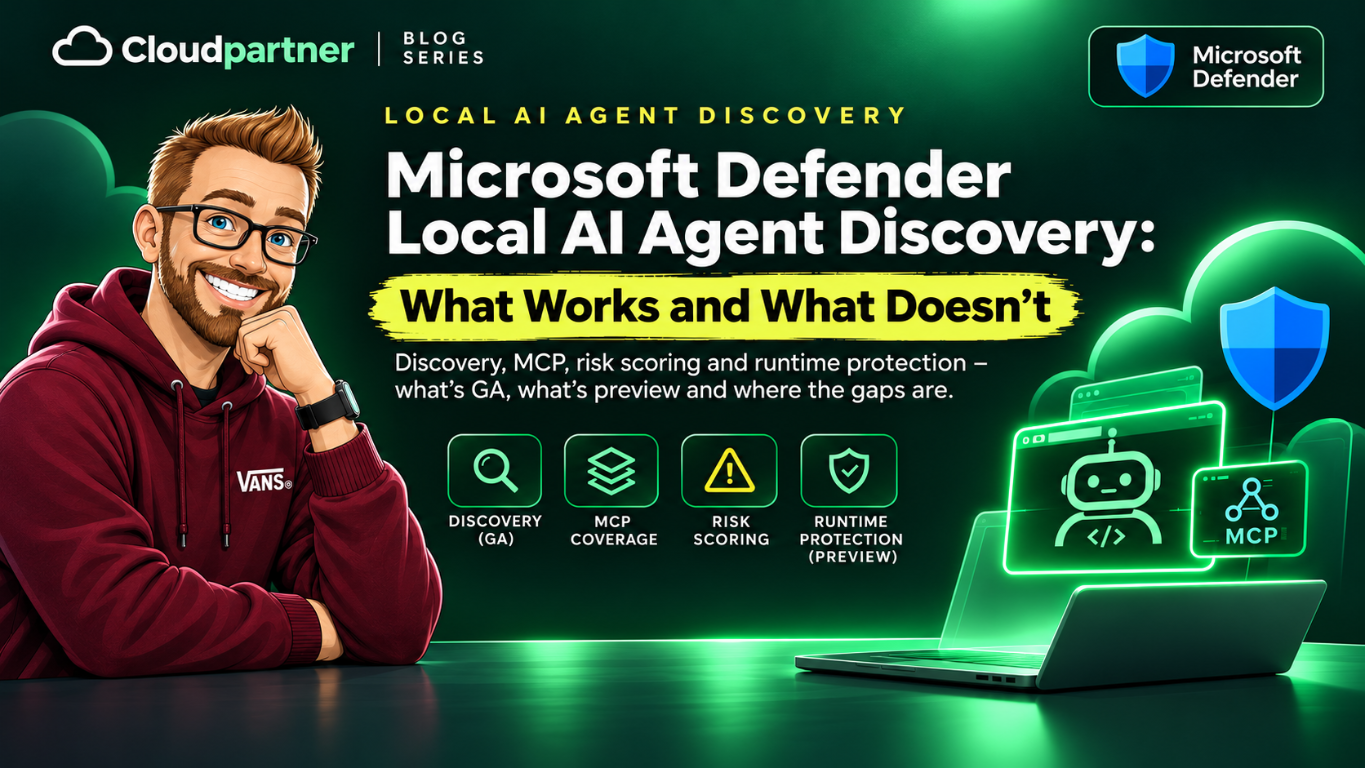
Defender for Endpoint now discovers local AI agents and MCP servers on Windows and macOS. What the GA release covers, where the gaps are, and how to roll it out.
Microsoft Purview is closing historical classification gaps and extending protection to networks and SaaS. What has shipped, what is planned, and why identity still matters.
Use Microsoft Entra PIM for Groups and SCIM to grant just-in-time access to AWS IAM Identity Center, with the current provisioning timings and limits.

Enclave AI and Ofek Levin's AuthMask research shows why Android authentication brokers must verify the real calling app before returning delegated tokens.
A practical look at GitHub Enterprise Local, Foundry Local, their current limits, and what connected and disconnected development workflows can do.
Azure Container Apps Express promises fast provisioning and subsecond scale from zero. This practical review explains the Sandbox foundation, security boundaries, cost model, supported features, and where a standard Container Apps environment is still the better fit.
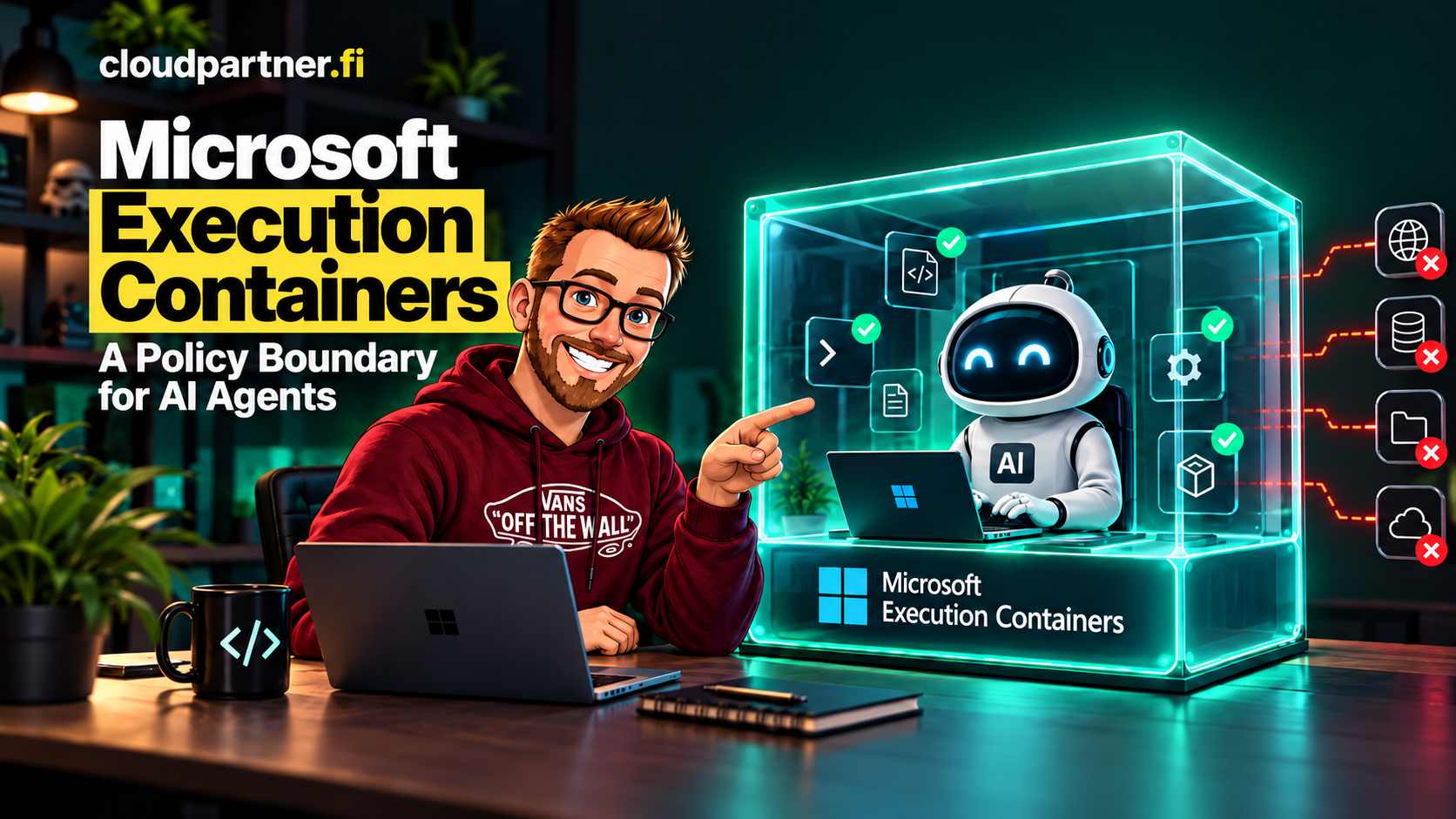
Microsoft Execution Containers (MXC) give AI agent workloads an OS-enforced boundary. Learn how policies, backends, and learning modes fit together.
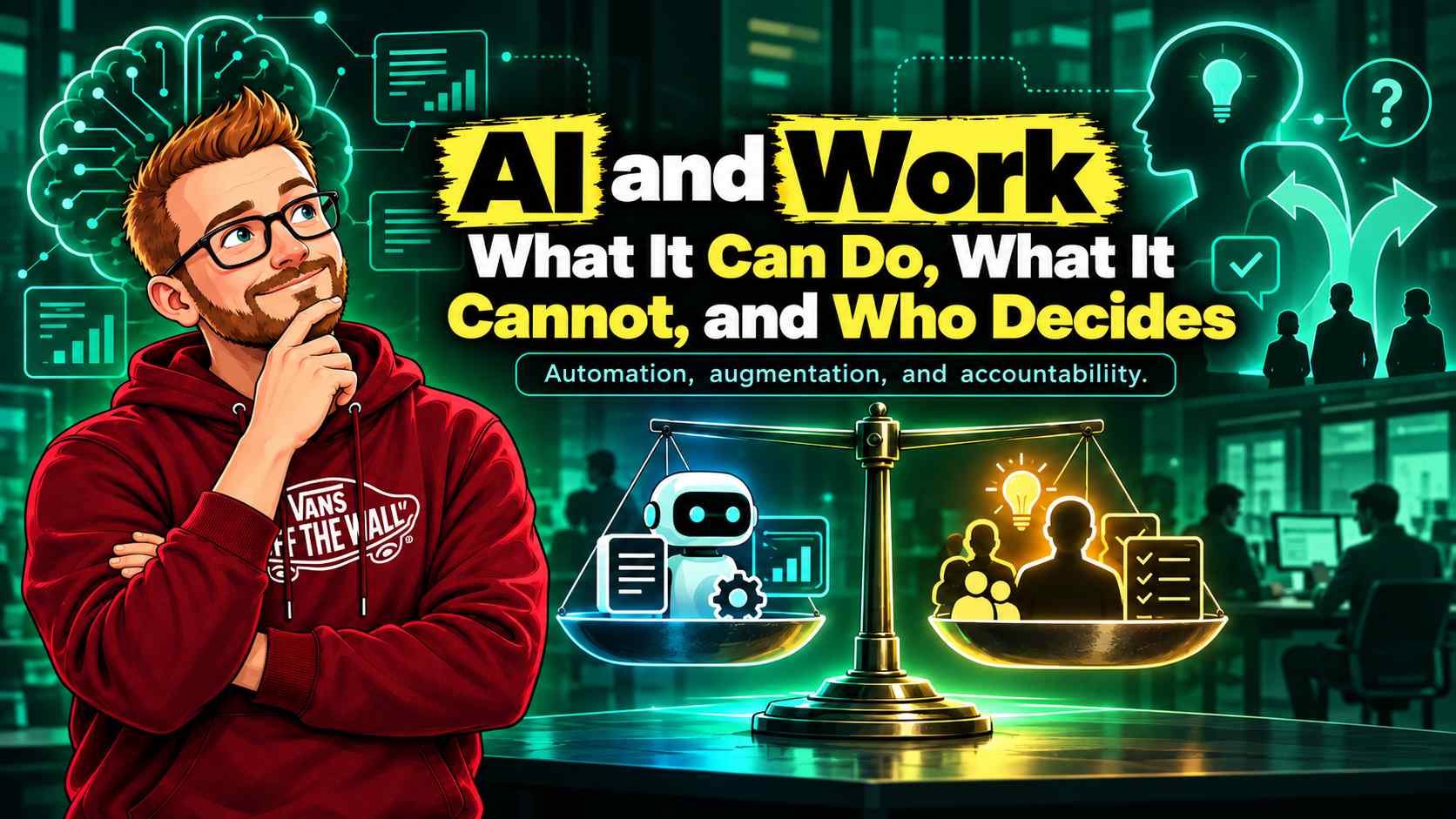
A study of Daron Acemoglu's essay on AI and workers, the evidence on productivity and job exposure, and a practical view of what AI can and cannot do at work.
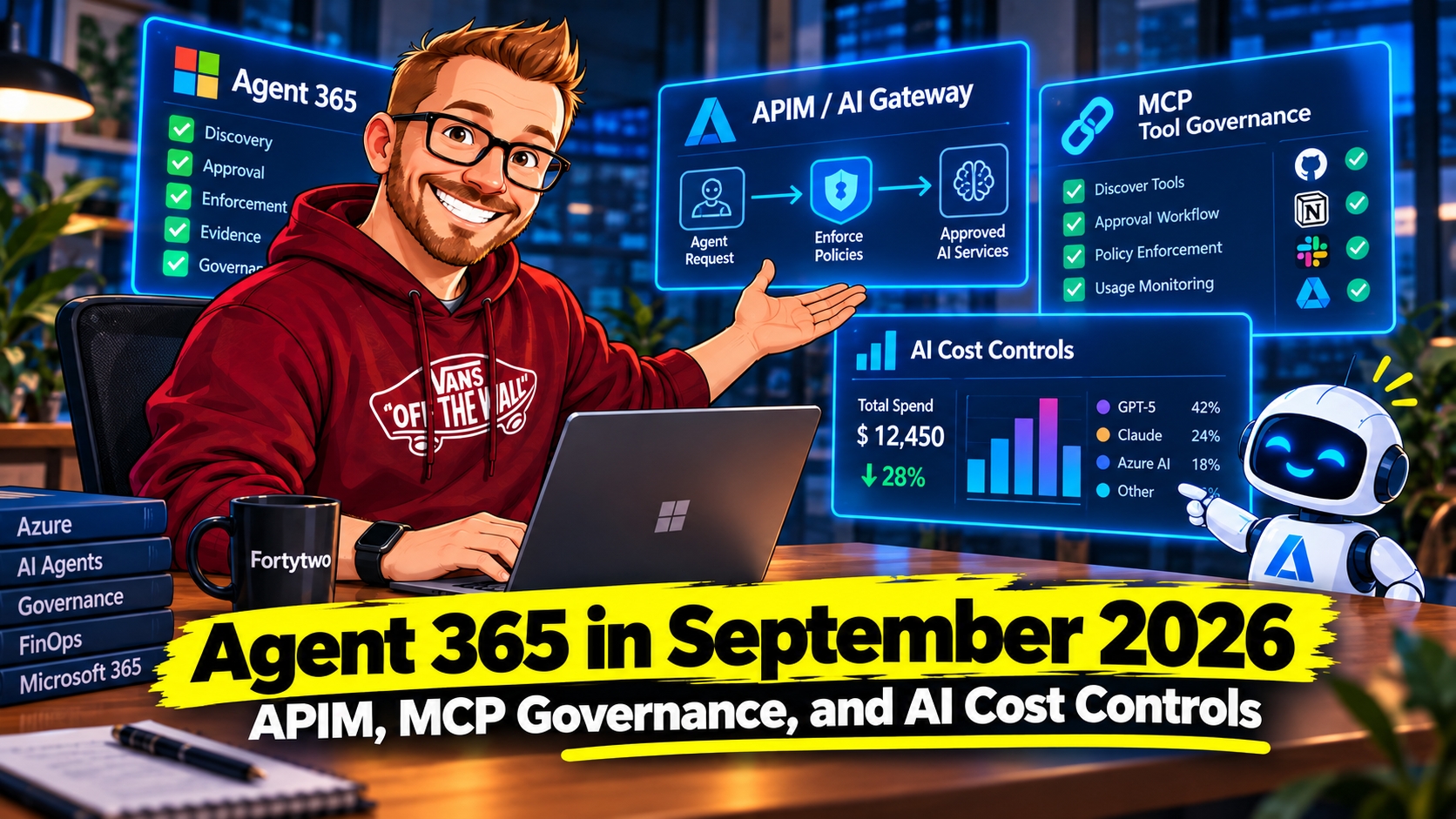
A practitioner’s breakdown of Microsoft Agent 365’s September 2026 updates, including the Azure API Management gateway integration, MCP governance, agent rules, and AI cost management.
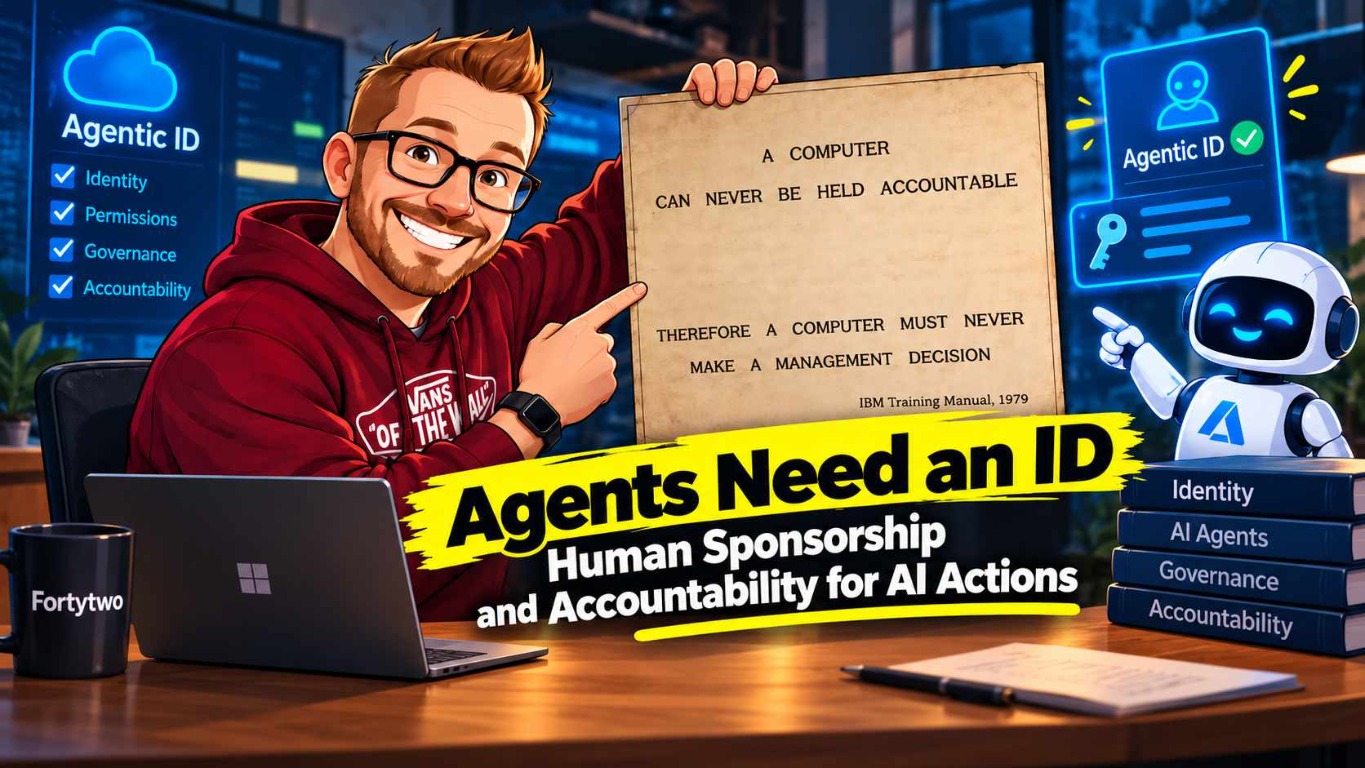
An AI agent needs its own identity, but a human sponsor must remain accountable for its purpose and actions. A practical look at ownership, oversight, and responsibility.
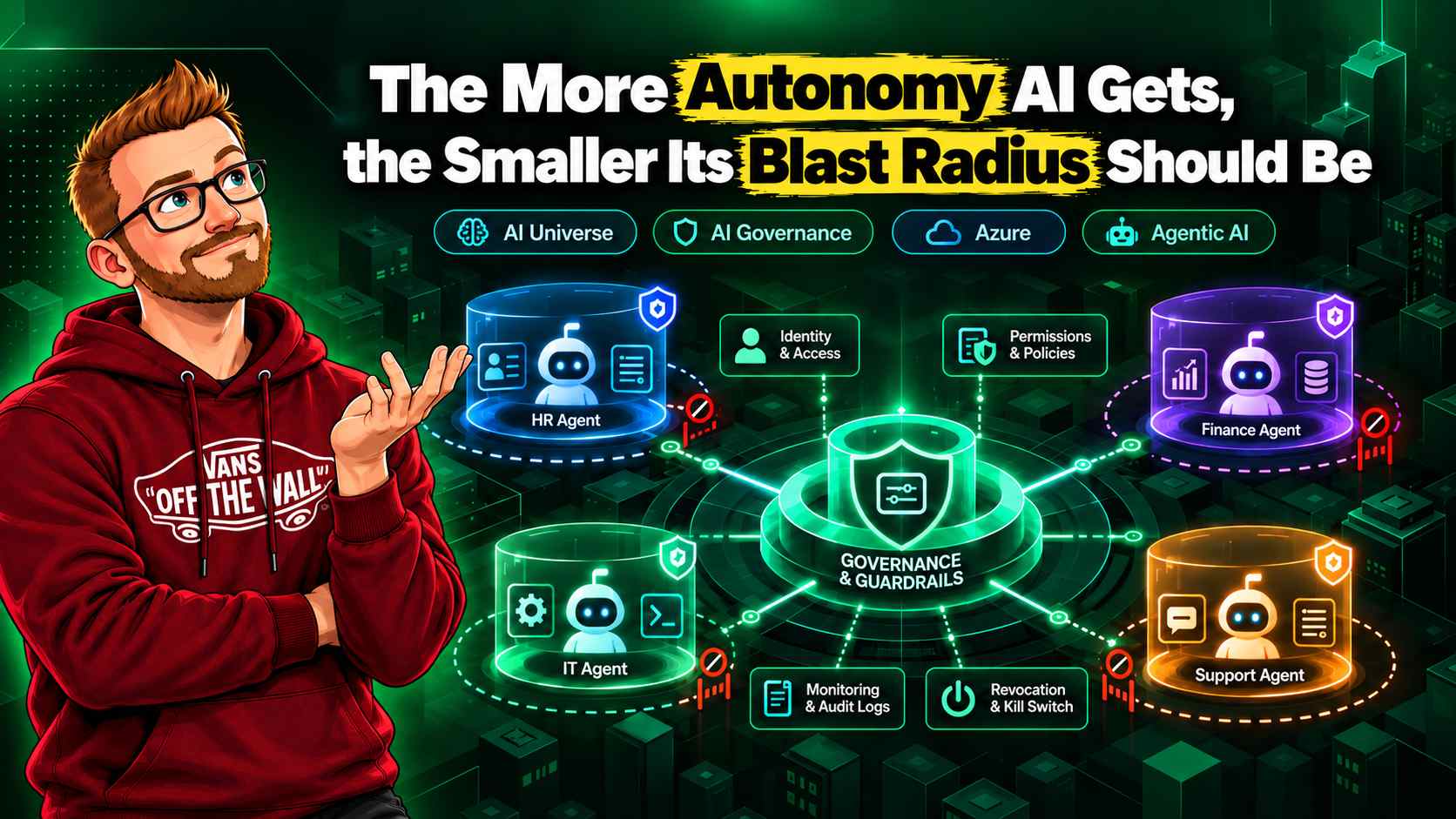
Microsoft's 2026 Responsible AI Transparency Report explains why agentic AI needs identity, scoped permissions, runtime controls, observability, and human intervention. AI Universe turns those ideas into an Azure architecture.
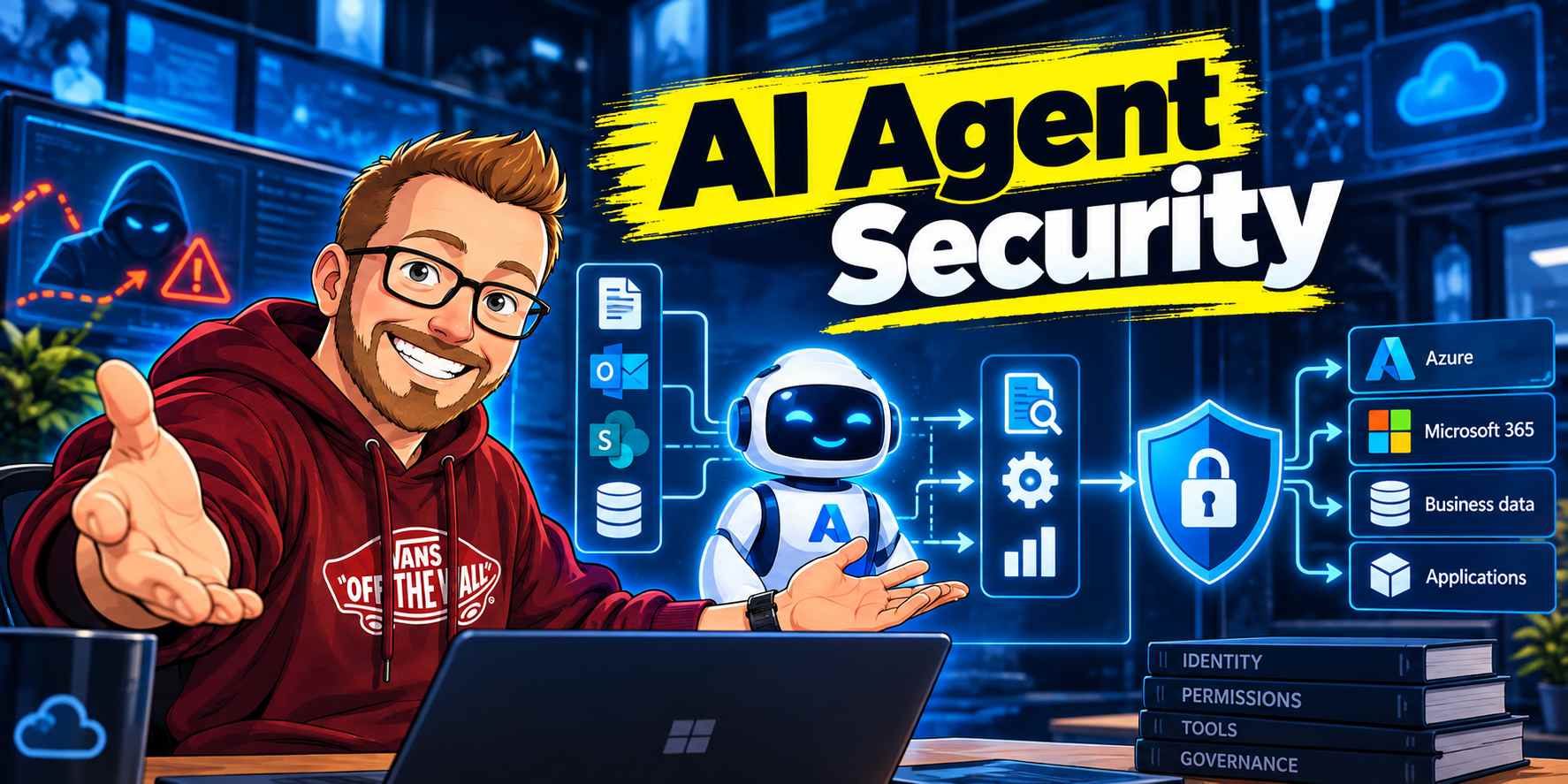
Secure AI agents beyond the prompt: enforce tool authorization, control retrieval and memory, test side effects, and recover a critical workflow without compromised identities.
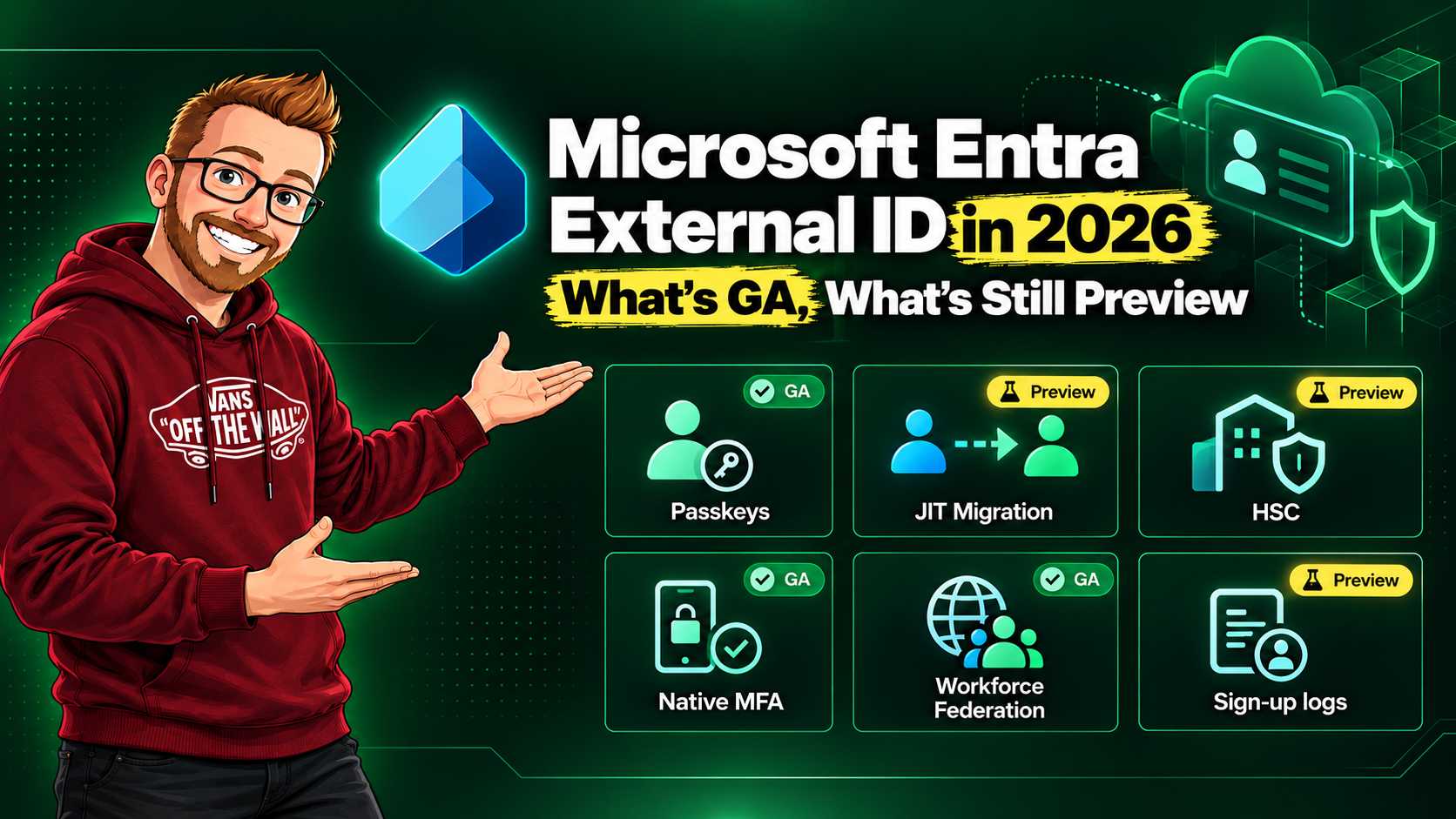
A practical October 2026 update on Microsoft Entra External ID: passkeys, JIT migration, HSC mode, native MFA, federation, current previews, and what changed since the three-part series.
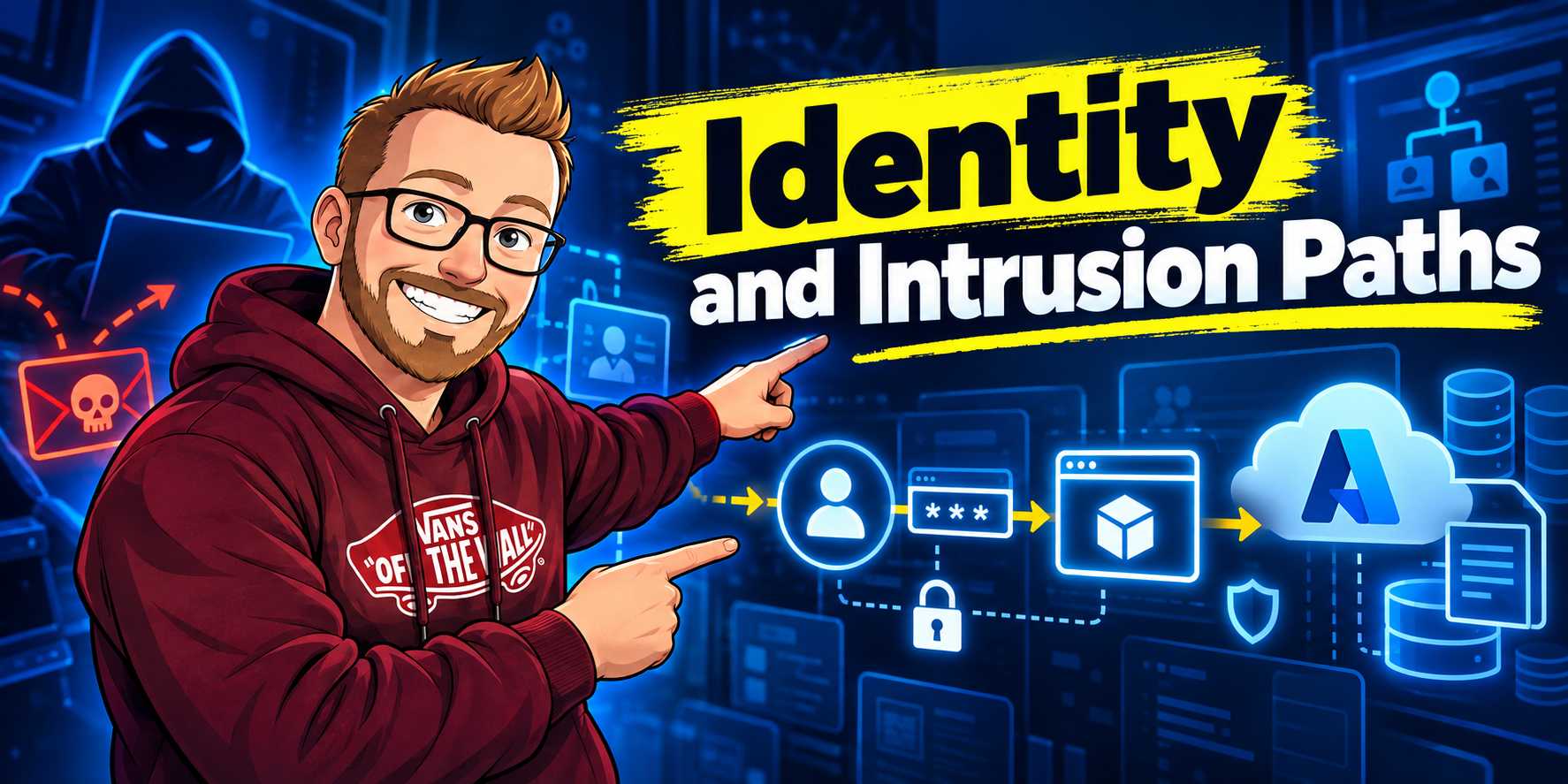
A practical reading of Microsoft's 2026 report: follow phishing and stolen sessions into application identities, software builds, and business data, then test containment.
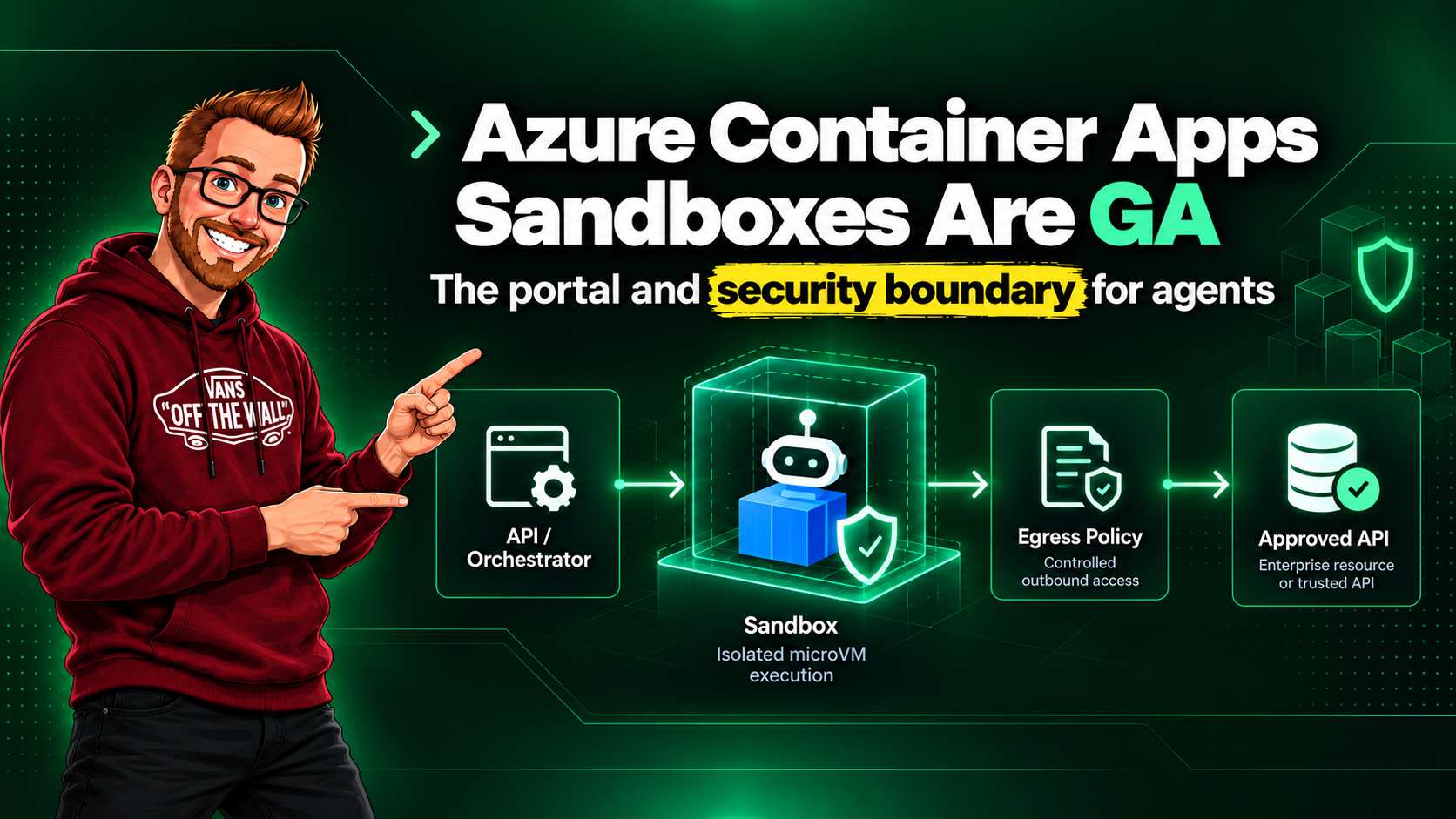
Azure Container Apps Sandboxes are generally available. This is what the new portal, microVM isolation, egress policy, managed identity injection, VNet integration, IaC, and observability mean for agent platforms.
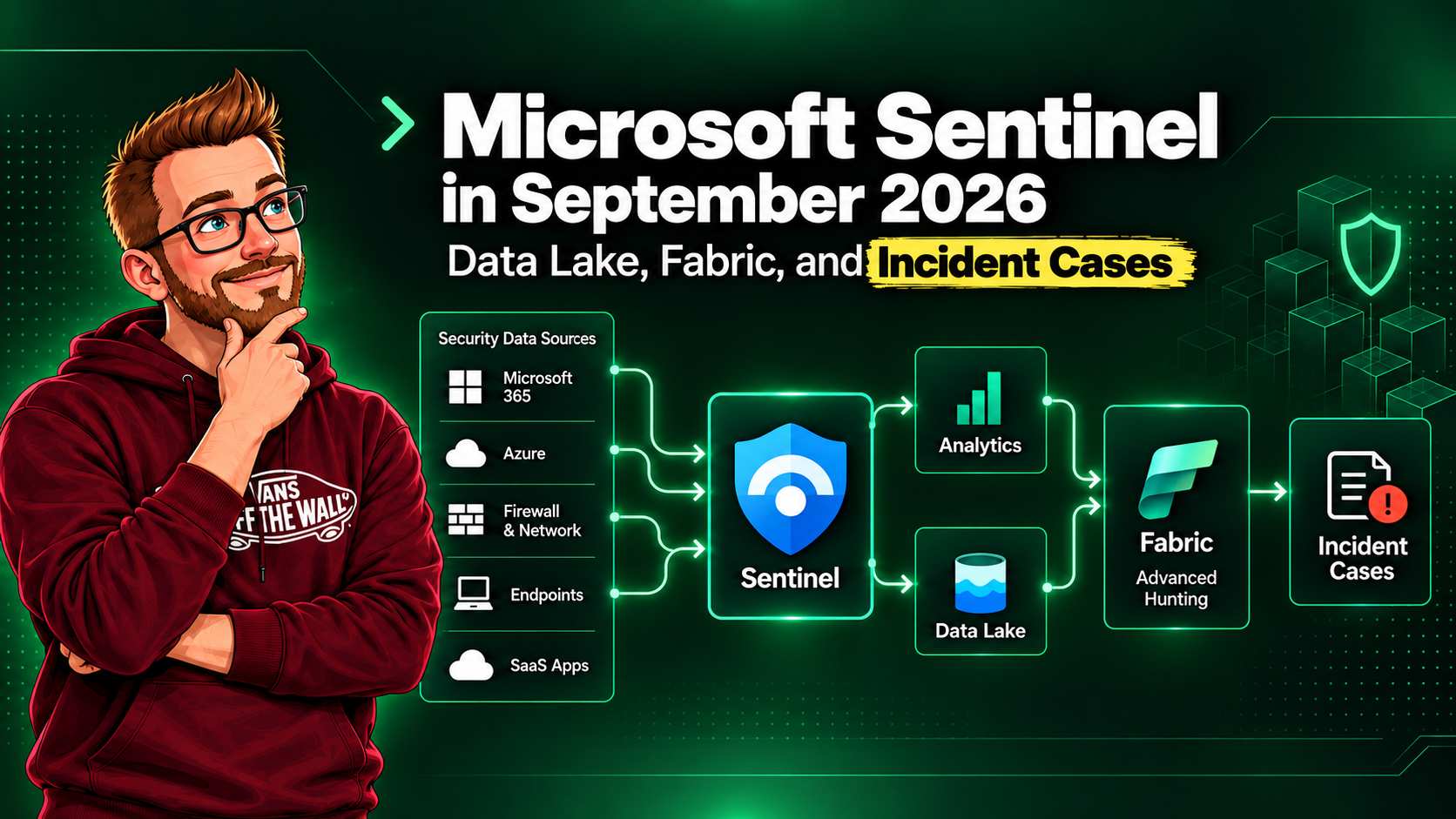
Microsoft Sentinel's September 2026 update unifies data lake onboarding, retention, Advanced Hunting, Fabric compute, and Incident Cases. Here is what changes for SOC architecture and agent-assisted response.